




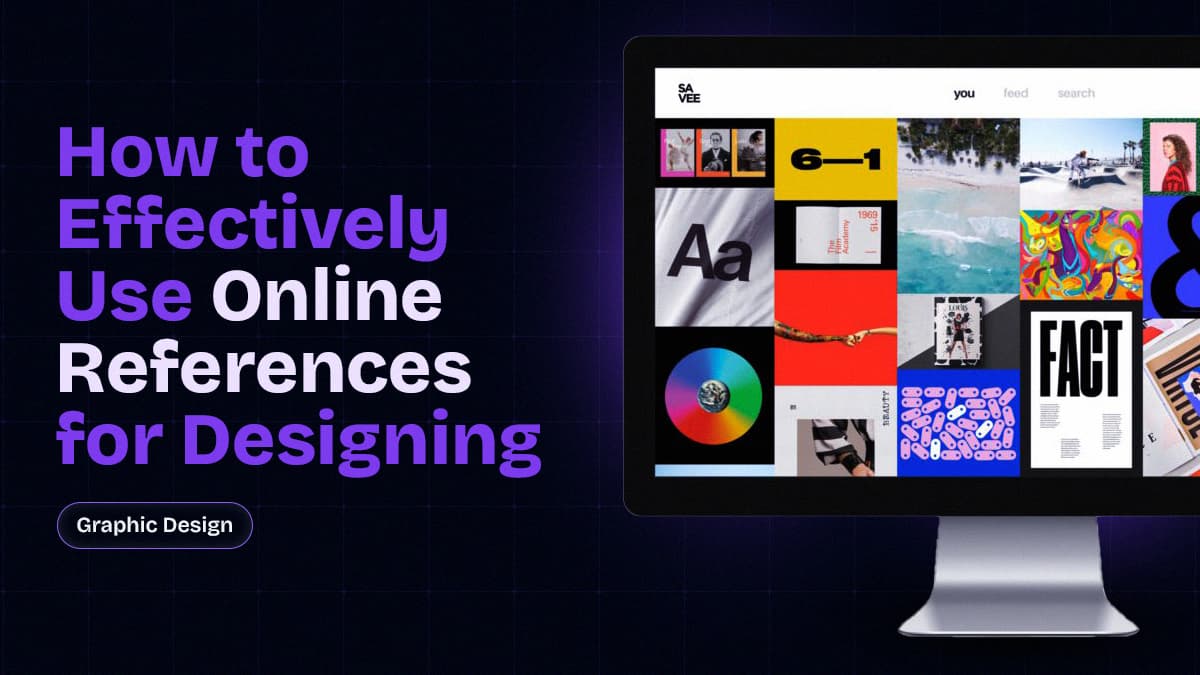
How to Effectively Use Online References for Designing

Introduction
Design is an evolving field that thrives on creativity, experimentation, and inspiration. With the vast number of resources available online, designers can now access a plethora of creative references that can spark new ideas and improve their design processes. However, it's essential to use these references effectively and ethically. This post will guide you on how to leverage online references for designing while maintaining originality and authenticity.
1. Understand the Purpose of Taking References
The primary goal of taking references is to draw inspiration and not to copy. When you browse through online platforms like Dribbble, Behance, or Pinterest, focus on understanding the design principles, color schemes, and layout patterns used by other designers. Ask yourself questions like:
- What makes this design stand out?
- How is the color palette used to convey emotion?
- What kind of typography is chosen, and why?
Understanding the "why" behind the design choices helps you incorporate similar principles into your work without directly copying.
2. Identify the Right Platforms
There are several online platforms where you can find high-quality design references. Here are a few popular ones:
- Dribbble: Great for UI/UX, illustrations, and graphic design inspirations.
- Behance: Offers comprehensive case studies and project breakdowns from professional designers.
- Pinterest: A visual search engine that is excellent for mood boards, color palettes, and diverse design styles.
- Awwwards: A go-to platform for web design inspiration that showcases award-winning websites.
- Muzli: A design inspiration platform integrated with Chrome that provides daily design insights and trends.
Each platform has its unique community and design style. Explore them to find which suits your design needs best.
3. Create a Mood Board
After gathering references, it's crucial to organize them effectively. Creating a mood board allows you to see a visual representation of your references in one place. Tools like Milanote, Figma, or even Pinterest can help you create digital mood boards. Mood boards help you:
- Visualize the Concept: Combine different elements like color schemes, typography, textures, and layouts.
- Stay on Track: Refer back to your mood board throughout the design process to maintain a consistent style.
4. Analyze and Deconstruct
Once you have your references ready, start analyzing and deconstructing them. This means breaking down a design to understand its components:
- Color Scheme: How are colors being used? What is the contrast, harmony, and balance?
- Typography: What fonts are used? How is hierarchy established?
- Layout and Spacing: What is the grid system like? How is negative space utilized?
- Imagery and Iconography: What kinds of images or icons are used, and what mood do they set?
Deconstructing designs enables you to understand the principles behind them and apply similar ideas to your projects creatively.
5. Adapt and Innovate
Using online references should always be about adapting and innovating, not replicating. Once you've drawn inspiration from a design, put your unique spin on it. Combine multiple inspirations, add your creativity, and make something new. This could mean mixing color schemes from one reference with the layout of another or taking inspiration from a particular illustration style and applying it to a different concept.
6. Be Ethical
Always remember to credit original designers if you directly use parts of their work or heavily draw inspiration from it. Respecting intellectual property rights and providing proper attribution is essential in the design community. Being ethical in how you use online references helps maintain a good reputation and encourages creativity and sharing within the community.
Conclusion
Taking references from online resources is a powerful way to enhance your design process and stay updated with the latest trends. However, the key lies in how you use these references—understanding, analyzing, deconstructing, and adapting them to create something original and authentic. Remember, the goal is to be inspired, not to imitate. Happy designing!